
Dipti Patel - MEFA Media Matriarchs 2026

Updated: Mar 27
This Women's History Month, Media For All is proud to celebrate 'The Media Matriarchs' redefining UK Media boardrooms.
We asked 10 questions to women making history now, including the brilliant Director and MEFA member Dipti Patel – Senior Publisher Development Director, Ozone Project
About Dipti
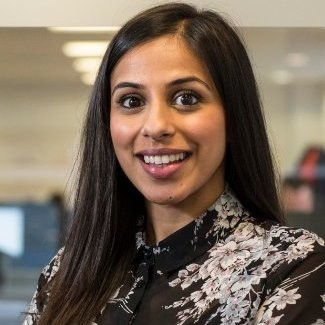
Dipti Patel is the Senior Director of Publisher Development at The Ozone Project, having been promoted to the senior leadership level in 2025. One of Ozone’s foundational hires, she is a central figure in the agency’s mission to build a sustainable, transparent digital ecosystem for premium publishers.
With over 18 years of experience in the ad-tech and digital media landscape, Dipti is recognized for her entrepreneurial approach to publisher strategy.
Before joining Ozone, she led the Publisher Development team for EMEA at PubMatic, where she successfully onboarded tier-one publishers including The Guardian, The Telegraph, and News UK. Her career also includes significant commercial roles at InMobi and Unanimis.
At Ozone, she focuses on scaling the "Premium World" proposition, helping publishers maximize the value of their first-party data while providing brands with brand-safe, high-attention environments.
About The Ozone Project
The Ozone Project is the UK’s leading high-attention digital advertising platform, built through an unprecedented collaboration between the nation’s most prestigious publishers, including News UK, Guardian Media Group, Telegraph Media Group, and Reach plc. Launched to provide a transparent alternative to the "walled gardens" of big tech, Ozone connects advertisers directly to a monthly audience of over 45 million highly engaged readers.
Often described as the "champion of the premium web," the platform is built on proprietary technology that prioritises data privacy, brand safety, and actual human attention over vanity metrics. In 2024 and 2025, Ozone significantly expanded its international footprint with the launch of Premium World, extending its model to over 35 global markets to support quality journalism worldwide.
The agency has been frequently recognised for its industry impact and culture, winning Media Brand of the Year at both the Media Week Awards and the AOP Digital Publishing Awards, and consistently appearing on Campaign’s Best Places to Work list.
Growing up, did you ever imagine yourself in a senior leadership role — and what helped you believe it was possible?
I’ve always been aspirational, I’ve believed in dreaming big, working hard, and trusting that effort and intention can take you where you want to go. Positive manifestation has always been part of my mindset. What truly helped me see leadership as possible were the managers and peers I worked alongside. When you’re surrounded by people who challenge you, support you, and bring out your best, your confidence expands. Leadership became a natural extension of my growth and capability.
What’s one moment in your career where being “different” felt like a disadvantage — but later proved to be a strength?
As a woman of colour, what have you had to unlearn to succeed in senior leadership?
Unlearning that authenticity is unprofessional - some women of colour use masking techniques, but constantly filtering yourself can be tiring. Be yourself and get comfortable with being your own advocate.
What’s a leadership trait you developed early that’s been critical to your progression — but isn’t talked about enough?
Coming from Account Management, I developed the skill of empathy very early on. Understanding client pressures, navigating complexity and getting to grips with human dynamics behind decisions. Over time, that evolved into emotional intelligence: staying composed under pressure, managing my reactions, and responding deliberately. At senior levels, success is less about being right and more about bringing people with you.
How do you stay authentic in a very commercial, high-pressure industry?
For me authenticity becomes a differentiator, when you're clear and consistent about your values,
people trust you and trust is a strong commercial advantage.
What advice would you give to someone from an underrepresented background who feels they have to work twice as hard to be seen?
Many people from underrepresented backgrounds do feel they have to work twice as hard. But I’ve learned that the right environment makes a huge difference. If you have strong leadership and real sponsors, people who advocate for you in rooms you’re not in, then your work will be seen and your voice will be heard. In the right culture, recognition isn’t about working twice as hard; it’s about impact and recognition. The right culture doesn’t just include you it elevates you
What’s one thing senior leaders can do today to genuinely improve access and progression — beyond statements and policies?
Sponsor someone. Use your influence to advocate for high-potential talent in rooms they’re not in – that could take the form of promotions or working on stretch assignments. Senior leaders have disproportionate influence in those rooms. They decide whose potential is “ready now,” who is seen as a safe pair of hands, and who is considered a risk worth taking.
How do you balance ambition with wellbeing, especially when expectations are high and visibility is constant?
Personally, it hasn’t always been easy. When expectations are high and visibility is constant, the instinct is often to keep pushing, to say yes to everything and to prove you can carry it all. With experience, I’ve learned that ambition without boundaries isn’t sustainable. Burnout is real, and it rarely announces itself politely, it builds quietly in the background. Now, I’m much more conscious about recognising the signs. I know when to slow down, when to step back, and when to be fully present with my family. That doesn’t mean lowering standards or losing drive; it means understanding that performance really is that proverbial marathon and not a sprint. Putting my wellbeing first is key. When I’m rested and grounded, I make better decisions, lead more clearly, and show up more consistently.
What role have mentors, sponsors, or allies played in your journey — and how do you now pay that forward?
I’ve been fortunate to have sponsors throughout my career — people who believed in me, advocated for me in rooms I wasn’t in, and pushed me to stretch further. It’s one thing to work hard; it’s another to have someone ensure that work is recognised and rewarded and to encourage you to do more when you need it. This experience shaped how I think about leadership. Now, I’m intentional about paying that forward by actively sponsoring talent, creating visibility for others, and making sure opportunity isn’t limited to the loudest voice in the room.
On International Women’s Day, what message would you most want the next generation of diverse talent in media to hear?
The message I would want the next generation of diverse talent in media to hear is that - you don’t have to change who you are to belong in this industry. This industry thrives on perspective, creativity and cultural relevance. Your background is not something to overcome; it’s an advantage. There will be moments where you question whether you fit the mould. In those moments, remember that progress has never come from sameness. It comes from people who see the world differently and have the courage to bring that perspective forward. Find environments that recognise your value, seek out sponsors who will advocate for you, and know that your voice has a place in shaping the future of this industry.

Creative by Nadine Campbell | ACE Consultancy


Comments