
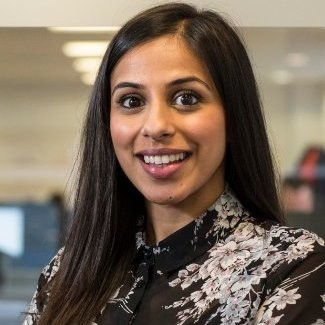
Davina Barker - MEFA Media Matriarchs 2026

This Women's History Month, Media For All is proud to celebrate 'The Media Matriarchs' redefining UK Media boardrooms.
We asked 10 questions to women making history now. in this final interview we wrap the series with industry leader and MEFA member Davina Barker, Sales Director DCM
About Davina

" I am a commercial leader known for doubling the size of businesses. Over the last five years, I’ve delivered 100% growth while building a culture where people actually want to work—focusing on diversity, inclusion, and genuine wellbeing.
I love building teams that perform. By focusing on great customer service and clear goals, I’ve helped my teams achieve an incredible 9.2 customer satisfaction (NPS) score. My role has grown from just sales to leading everything from marketing to campaign scheduling, helping to modernise how the business works.
Beyond the office, I’m a regular face in the industry. I’m proud to support and judge for organisations like WACL, NABs, and the Campaign Awards, helping to shape the future of our media community."
About Digital Cinema Media (DCM)
Digital Cinema Media (DCM) is the UK’s cinema advertising leader, representing 80% of the market including major chains like Odeon, Cineworld, and Vue. With a network of over 3,500 screens, DCM helps brands reach highly engaged, "captive" audiences through the unique emotional power of the big screen.
The company is a hub for creative innovation, recently winning the Grand Prix at the 2025 DCM Awards for Specsavers' "Should’ve Gone to Cinema" campaign. By combining premium storytelling with advanced data planning tools, DCM continues to drive massive brand impact as UK cinema admissions approach 130 million annually.
Growing up, did you ever imagine yourself becoming Sales Director of one of the UK’s leading media owners — and what helped you believe it was possible?
Honestly? No. I didn’t grow up seeing people who looked like me in leading roles, let alone in media. What made it feel possible over time was exposure to brilliant leaders, to opportunity, and to people who backed me before I fully backed myself.
What’s one moment in your career where being “different” felt like a disadvantage — but later proved to be a strength?
Early in my career, there were definitely moments when I challenged assumptions and felt dismissed or overlooked. At the time, it was uncomfortable and I questioned whether I should speak up at all. But, over time, I realised that asking hard questions and offering a different perspective is a strength. That willingness to challenge thinking has become one of my greatest assets. Difficult conversations are part of meaningful work, especially when the stakes are high. I’ve learned that you can be both respectful and clear. Those things aren’t mutually exclusive, even if we’re sometimes taught they are.
As a woman of mixed heritage, what have you had to unlearn to succeed in senior leadership?
I had to unlearn the idea that working hard and keeping your head down is enough. In senior leadership, you do have to use your voice. You have to advocate, for yourself and for others.
What’s a leadership trait you developed early that’s been critical to your progression — but isn’t talked about enough?
Staying calm. It sounds simple, but it’s powerful. In our industry, things move fast. There are big clients, tight deadlines, high stakes. When something goes wrong, people look to the leader. If you escalate emotionally, everyone else does too. If you stay steady, it creates space for solutions. It’s not glamorous, but that steadiness builds enormous trust over time.
How do you stay authentic at the top of a very commercial, high-pressure industry?
I make a conscious effort to stay close to the work and to people. The higher you go, the easier it is to become removed , from clients, from teams, from the reality of what’s happening day to day. For me, authenticity is about proximity. Real conversations. Honest feedback. Being visible and accessible. If you lose that, you lose perspective, and probably a bit of yourself too.
What advice would you give to someone from an underrepresented background who feels they have to work twice as hard to be seen?
First, your feeling is valid. Many people do experience that pressure. Second, working twice as hard isn’t the long-term strategy, working strategically is. Make sure the right people know what you’re delivering. Ask for stretch opportunities. Build relationships with people who will advocate for you. You’re building a long career - you don’t have to earn your right to be in the room every single day, you’re already there.
What’s one thing senior leaders can do today to genuinely improve access and progression — beyond statements and policies?
Sponsor someone who isn’t the obvious choice. Someone who doesn’t remind you of yourself. And don’t just mentor them quietly, advocate for them publicly. Use your influence. That’s where real change happens.
How do you balance ambition with wellbeing, especially when expectations are high and visibility is constant?
I protect non-negotiables: time with family, exercise, moments where I’m not “on”. And I’m honest about capacity. Burnout doesn’t make you a better leader; it just makes you tired and less effective.
What role have mentors, sponsors, or allies played in your journey — and how do you now pay that forward?
They’ve made a huge difference. Mentors helped me think differently. Sponsors opened doors I couldn’t open myself. There’s a difference and now I’m intentional about doing both for others. I advocate for talent in rooms they’re not yet in. I think that’s one of the most important responsibilities of leadership.
On International Women’s Day, what message would you most want the next generation of diverse talent in media to hear
You do not need to dilute who you are to succeed. The industry doesn’t need another copy of what already exists. It needs new perspectives. Be ambitious. Be excellent. Take up space, even if it feels uncomfortable at first. You belong here, and the future of this industry will be shaped by people like you.
MEFA thanks Davina for her incredible contribution to media and for her time to interview for the Media Matriarch's Series for Women's History Month 2026.

Creative by Nadine Campbell | ACE Consultancy

Comments